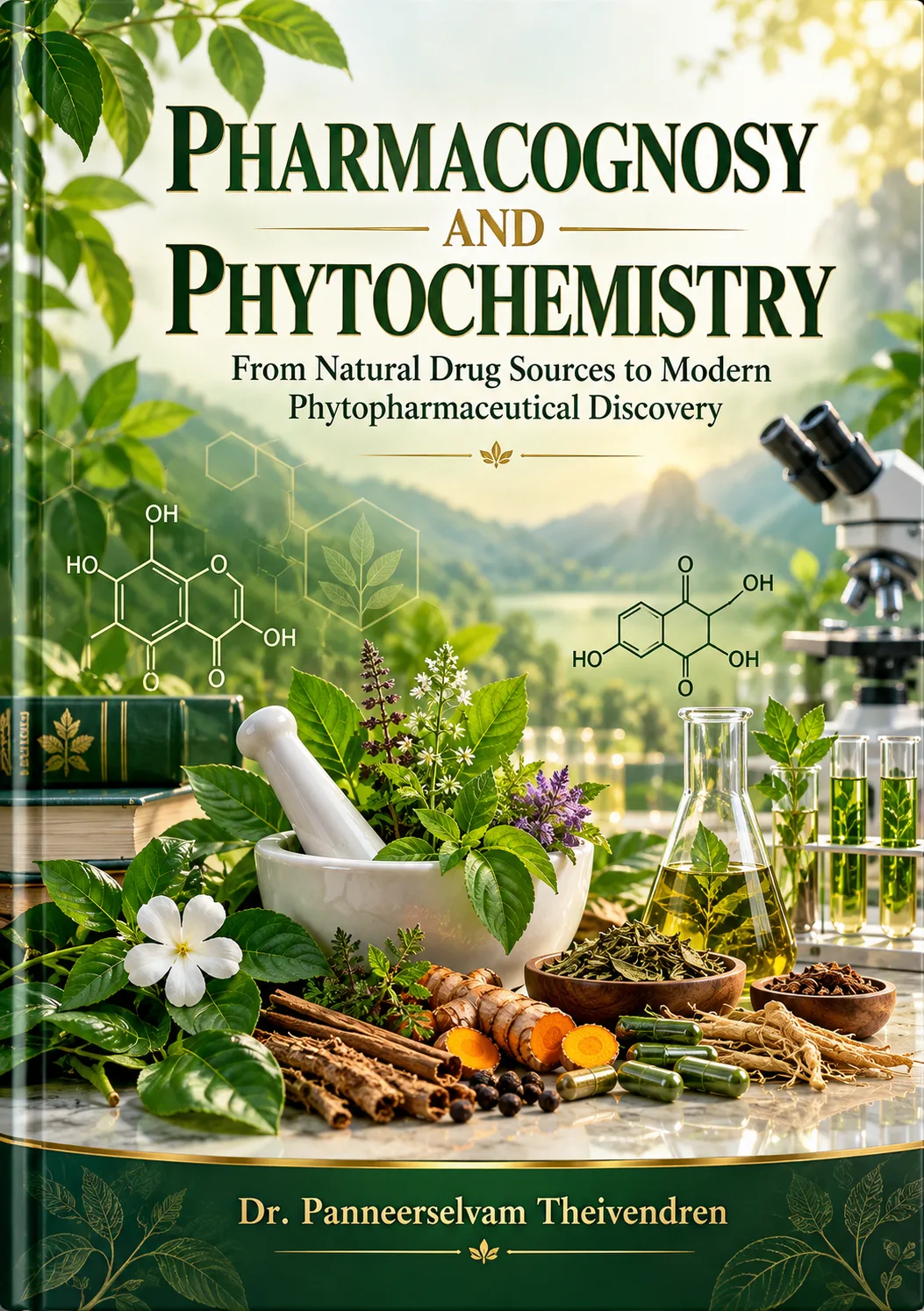
Cover of PHARMACOGNOSY AND PHYTOCHEMISTRY

Pharmaceutical Sciences

PHARMACOGNOSY AND PHYTOCHEMISTRY

From Natural Drug Sources to Modern Phytopharmaceutical Discovery

Panneerselvam Theivendren

Natural products have given medicine some of its most important drugs, from morphine and quinine to paclitaxel and artemisinin. Yet the way we study them has changed beyond recognition. A pharmacognosist today must be able to authenticate a powdered root by DNA barcoding, read a two-dimensional NMR spectrum, design a validated HPTLC fingerprint, judge a toxicology report and interpret a machine-learning model. This book was written to bring these skills together in one compact, readable volume.
The text follows the logic of the subject. Part I lays the foundations: what pharmacognosy is, how crude drugs are classified, grown and collected, and how they are identified. Part II introduces the chemistry of the major classes of secondary metabolites and how plants make them. Part III covers extraction, separation and structure elucidation. Part IV deals with quality control, standardization, formulation, safety and regulation. Part V moves to pharmacological evaluation and drug discovery, and Part VI looks ahead to biotechnology, metabolomics and artificial intelligence.
ISBN
978-93-345-6627-7
Published
2026
Pages
241
Language
https://doi.org/10.5281/zenodo.23500204 (English)

About the author

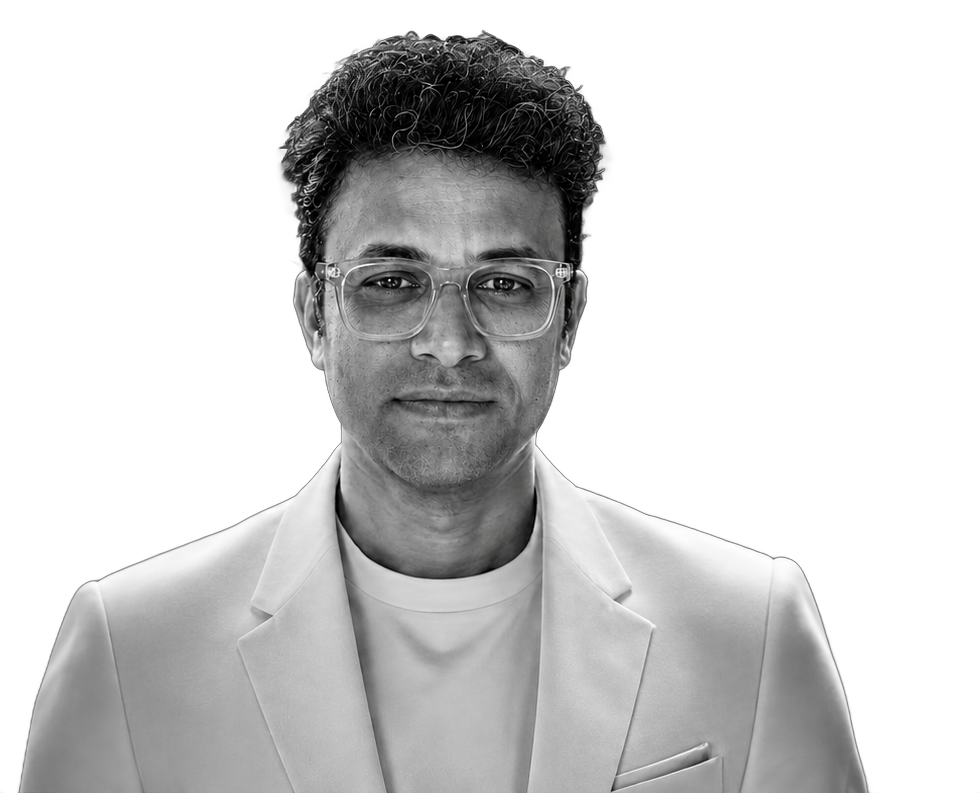
Panneerselvam Theivendren

Panneerselvam Theivendren

Dr. Panneerselvam Theivendren, recognised among the World’s Top 2% Scientists in the Stanford University/Elsevier 2026 database, is a Professor of Pharmaceutical Chemistry & Analysis at VISTAS, Chennai. His expertise includes medicinal chemistry, molecular modelling, drug design, pharmaceutical analysis, and AI-assisted drug discovery. His research focuses on cancer therapeutics, nanotechnology, neurodegenerative diseases, and phytochemistry. With 4,045 Google Scholar citations, an H-index of 35, and an i10-index of 91, he actively advances interdisciplinary pharmaceutical research by integrating computational modelling, artificial intelligence, and experimental approaches to develop innovative therapeutics.